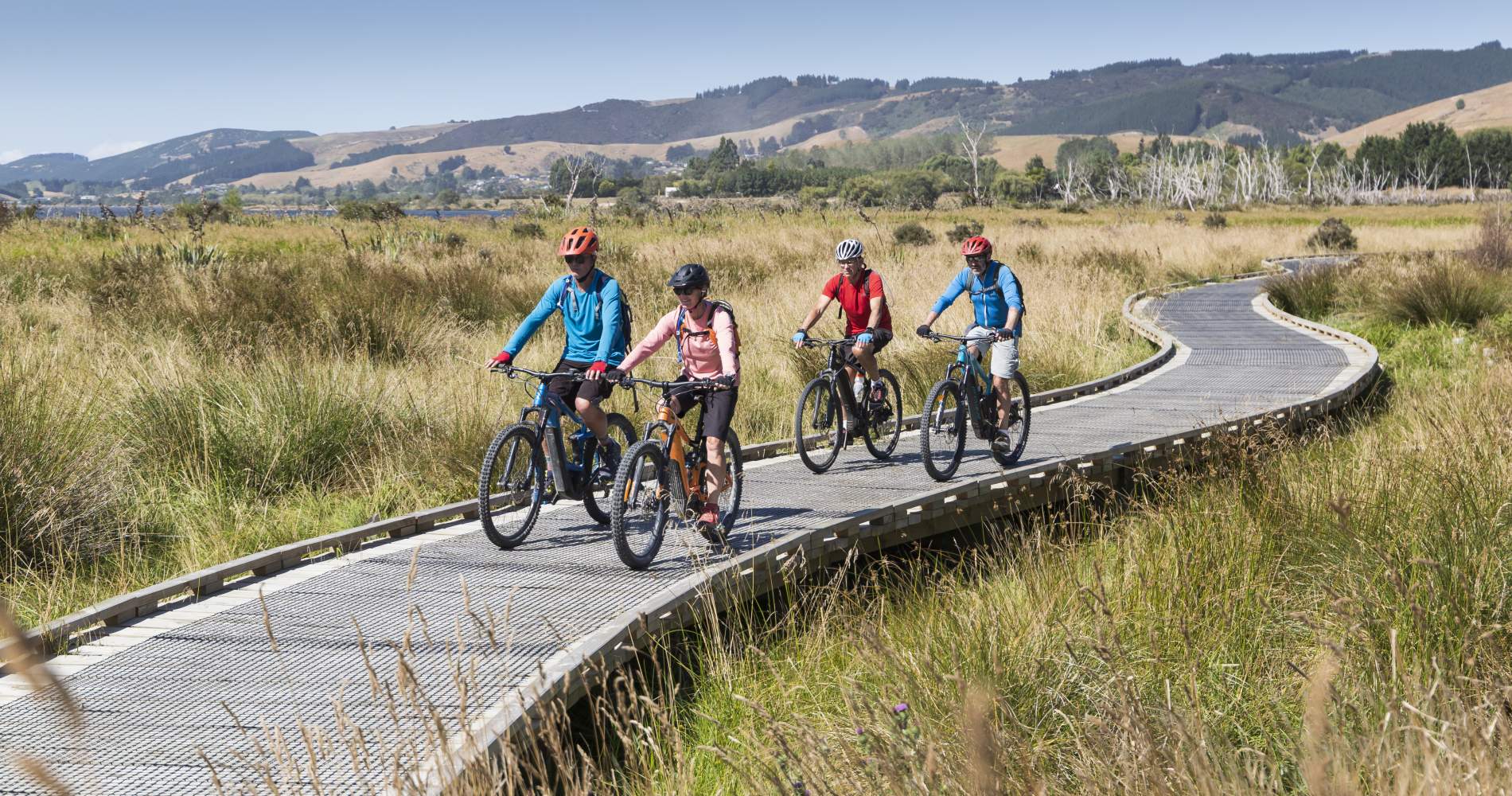


E-Biking Guide to the Otago Cycle Trails - What You Need to Know
New to E-biking or planning your first multi-day cycle holiday?
Here’s what you need to know before riding Otago’s Great Rides, from choosing a trail and hiring the right bike, to battery range, packing, safety and what to consider before booking.
- 21st August 2026
E-bikes have made Otago’s 500km network of cycle trails accessible to more riders than ever, making it easier for friends, couples and family groups with different fitness levels to enjoy the same journey together.
For first-time multi-day riders, E-biking is often the perfect way to make a cycling holiday achievable, comfortable, fun and memorable. But there are a few things to understand before you book, especially around bike choice, trail grades, battery range, daily distances and how to plan a trip that suits your group.
This guide will help you start plan and book a trip with confidence.
Why choose an E-bike for riding the Otago trails?
That extra assistance provided by an E-bike can make all the difference on a multi-day holiday, especially if you’re new to multi-day cycling adventures or if you’re not quite as fit or as young as you once were... With the support of an E-bike it means you can:
- Ride further without feeling overly tired.
- Keep up with stronger riders in your group.
- Enjoy the scenery rather than worrying about every hill.
- Carry a little extra gear more comfortably.
- Finish the day with energy left for experiencing off-trail activities and enjoying dinner.
But remember that an E-bike does not do all the work for you, it’s there to give you a helping hand when you need it. You still pedal, steer, brake and ride the bike, but the motor assists your effort, especially on climbs, into headwinds or near the end of a big day.
E-bikes enable people with less fitness to explore the Great Rides and lets groups of mixed ability to continue riding together.
In other words, E-bikes are not a shortcut. They're an enabler.
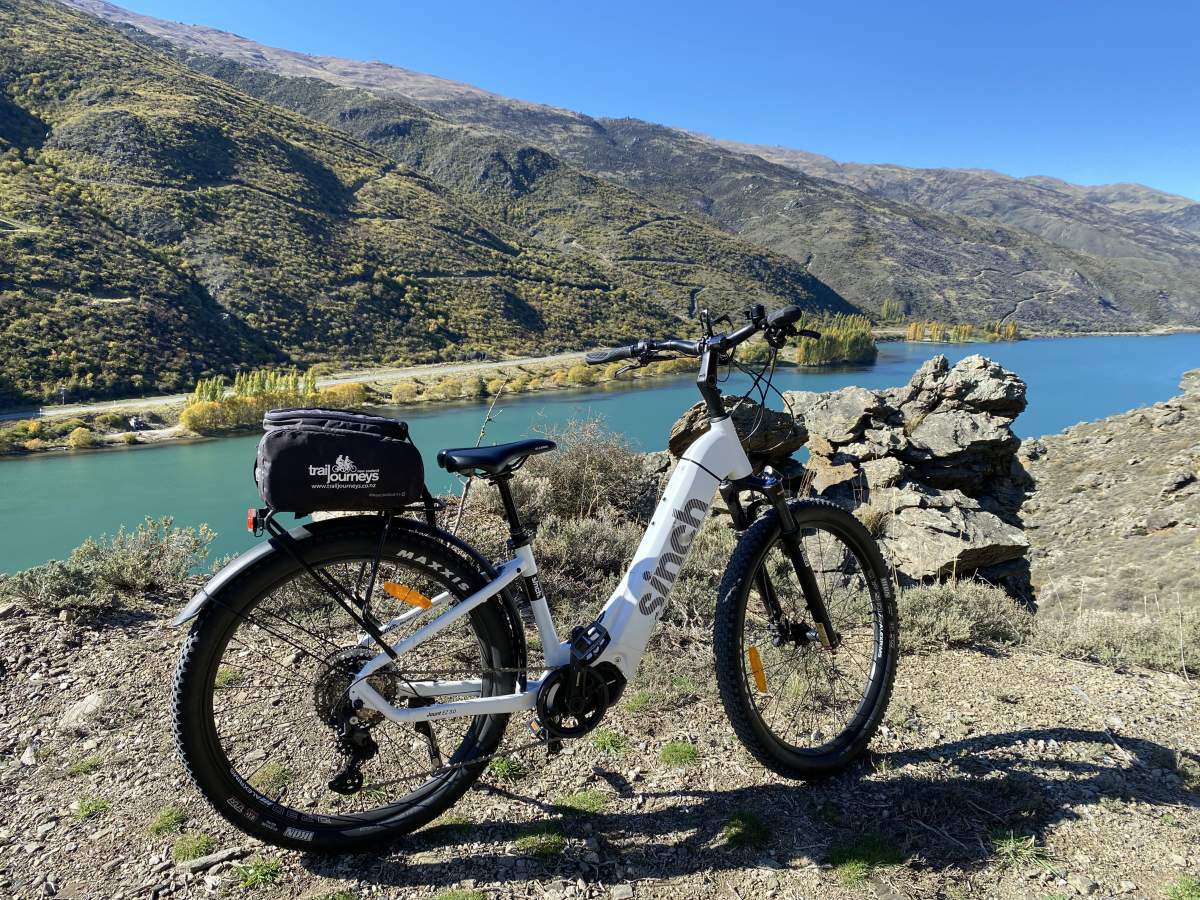
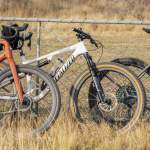
E-Bikes come in a variety of styles to suit different riding abilities.
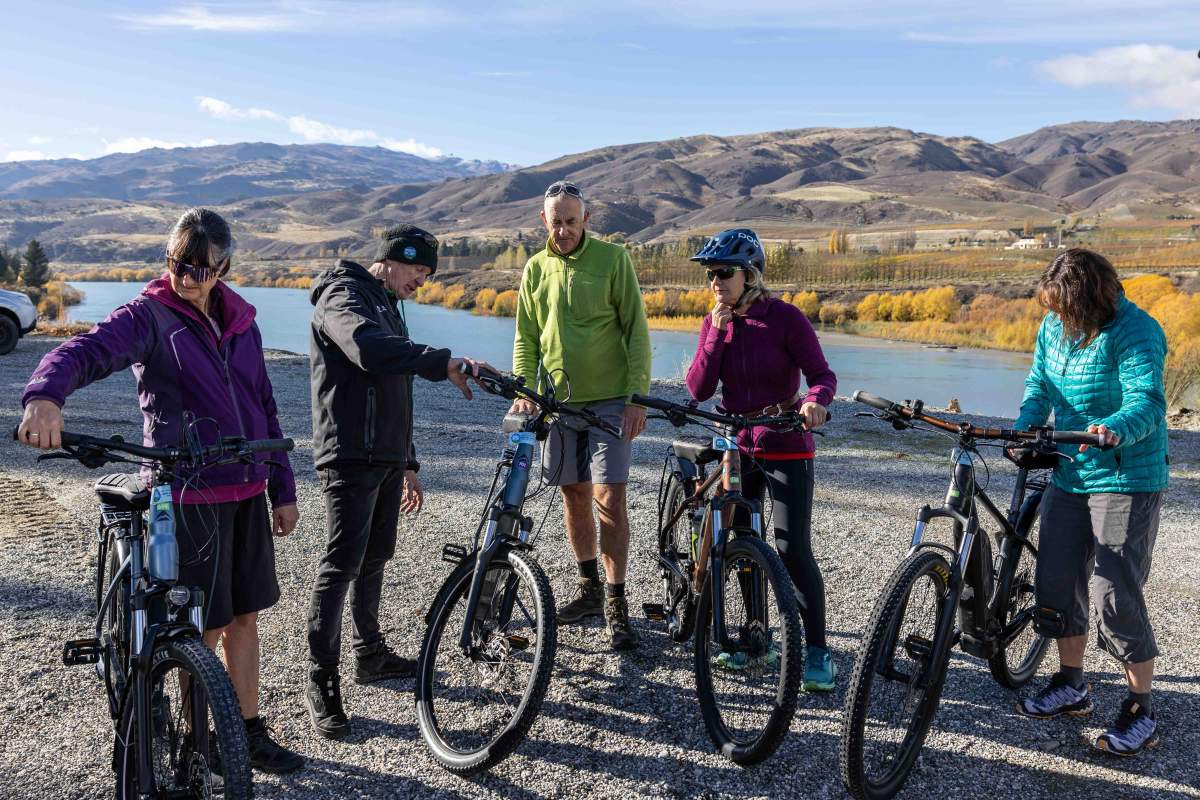
Local bike tour companies can help you choose the best trail, and the best type of bike for your level of experience.
Are e-bikes allowed on the Otago Great Rides?
Yes, pedal-assisted E-bikes are allowed Otago’s Great Rides, provided they meet the Ngā Haerenga Great Rides of New Zealand rules. Only pedal-assisted cycles with an auxiliary electric motor with a maximum power not exceeding 300W, designed to be primarily propelled by the rider’s pedalling, are permitted.
That means your bike must be pedal assist, not a throttle-powered moped or motorbike.
Quick rule of thumb:
If the motor moves the bike without you pedalling, check very carefully before assuming it is trail legal.
If you are hiring from a reputable local operator and an official trail partner, they will provide suitable E-bikes for the trails. If you are bringing your own bike, check the motor rating and trail rules before you travel.
Before you book, read our guide to New Zealand E-bike rules so you know what is allowed on the trails.
Which Otago trail is best for your first e-bike holiday?
The best trail depends on your confidence, available time, interests and appetite for adventure. Otago gives you plenty of choice, from easy, relaxed riding along the Rail Trail or Clutha Gold Trail to more dramatic and challenging trails like the Lake Dunstan Trail.
The Great Rides in Otago are graded from 1 (easy) to 4 (advanced), and its important to understand the skill, fitness and experience required to safely ride each different grade of trail. You can read more about trail grades here.
Otago Central Rail Trail (Grade 1 - Easiest)
The Otago Central Rail Trail is New Zealand’s original Great Ride and remains one of the best first multi-day cycle holidays in the country. It follows a former railway line through Central Otago communities, and includes fascinating hertiage sites, wide open landscapes, tunnels, viaducts, country pubs and welcoming trail towns. The trail is 152km and riders commonly use cycle operators to arrange self-guided trips, accommodation, luggage transfers and shuttles.
Best for:
First-timers, inter-generational families, social groups, couples, older riders, heritage lovers and anyone wanting a classic multi-day ride with plenty of support.
Lake Dunstan Trail (Grade 2-3 Intermediate)
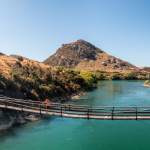
The Lake Dunstan Trail links Cromwell and Clyde through spectacular lakeside scenery which includes boardwalks, bridges, vineyards and dramatic gorge landscapes. However, the trail is not recommended for beginners or young children as it includes some narrow and exposed terrain (grade 3) and some challenging climbs and descents.
Best for:
Experienced / intermediate riders, scenic day rides, bikepackers combining trails into a multi-day adventure, and people who want a spectacular E-bike experience with a little more variety.
Roxburgh Gorge Trail (Grade 2-3 Intermediate)
The Roxburgh Gorge Trail follows the mighty Mata-Au Clutha River through dramatic gorge country rich in gold mining history. It is currently combined with a jet boat transfer through the middle section, making it one of Otago’s most memorable adventure-style rides.
Best for:
Riders who want scenery, stories and a sense of adventure without committing to a long daily distance. The trail includes a remote, backcountry section and some short, challenging grade 3 sections.
Clutha Gold Trail (Grade 2 - Easy)
The 135km long Clutha Gold Trail connects to the Roxburgh Gorge Trail and continues the river journey through historic towns, rural landscapes and welcoming communities. It is a great choice for riders who enjoy gentle touring, history and heritage, and linking multiple trails together.
Best for:
Multi-day touring, relaxed E-bike holidays, and riders combining both the Roxburgh Gorge and Clutha Gold Trails into a multi-day tour.
Queenstown Trails (Grades vary from 1 Easy, to 4 Advanced)
The Queenstown Trails are comprised of over 150km of trails around Queenstown, Arrowtown, Gibbston and surrounding landscapes, with wineries, cafes, lakes, rivers and mountain views woven into the experience.
Best for:
Short breaks, wine trails, scenic day rides and people who want a base with plenty of off-bike activities.
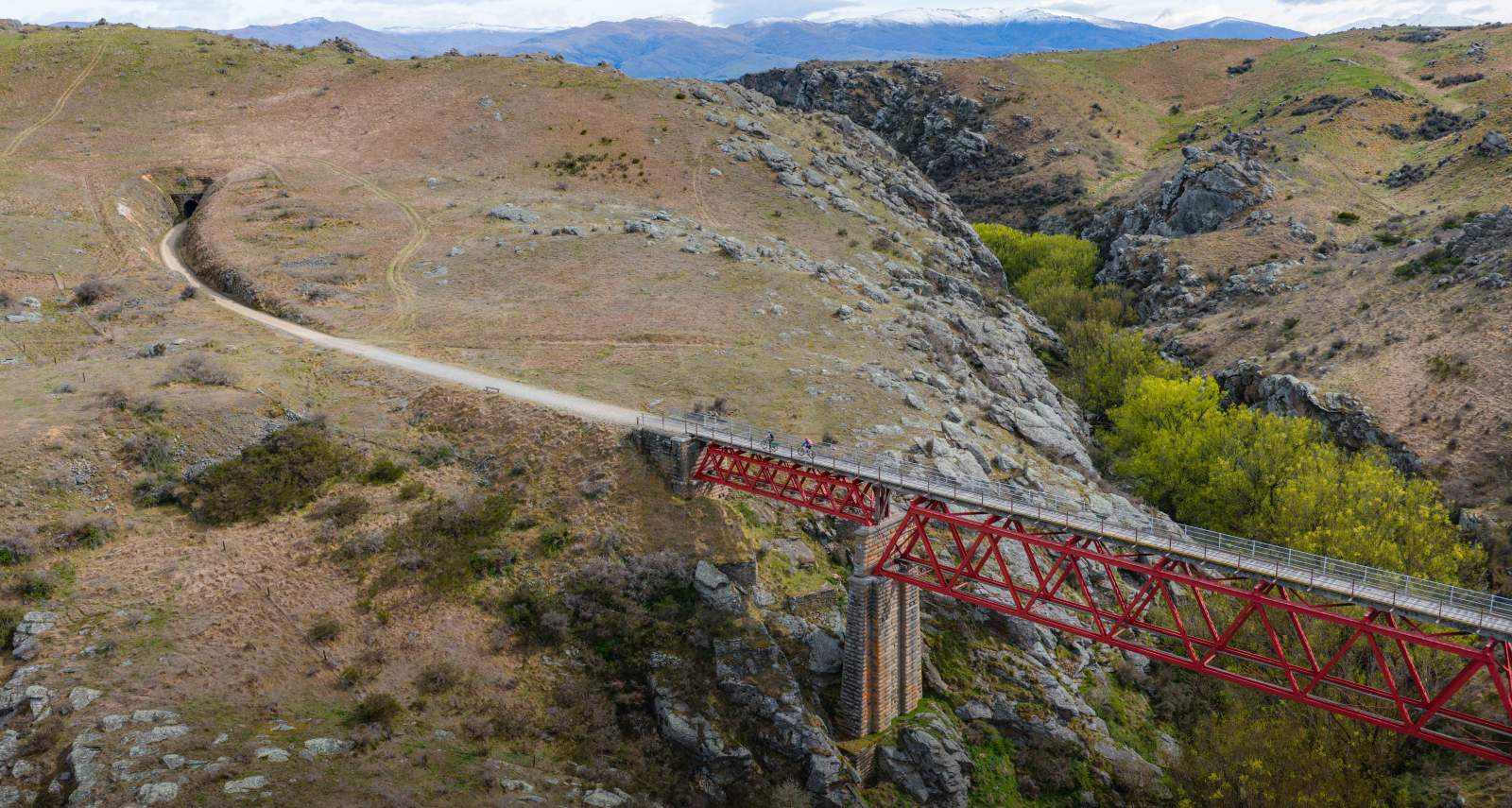
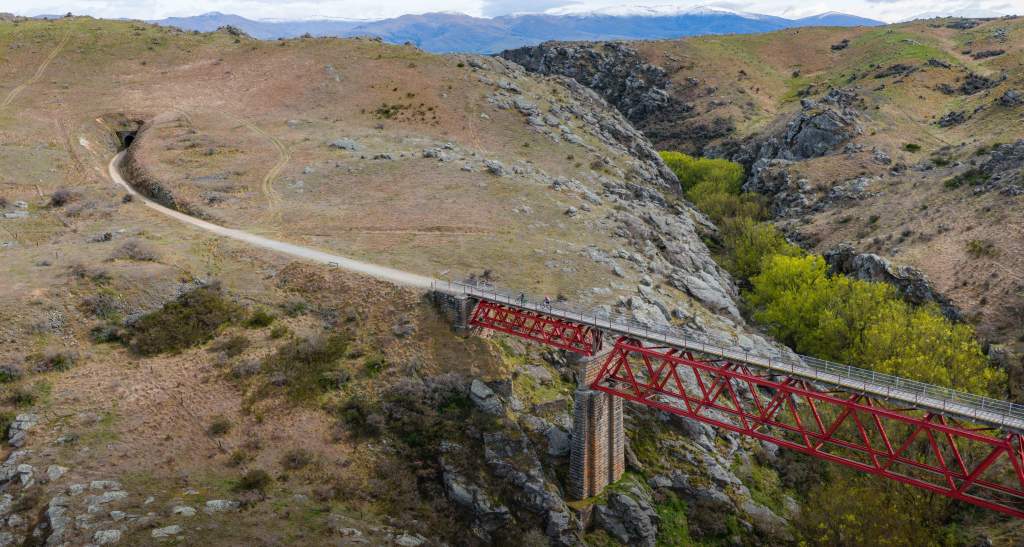
Otago Central Rail Trail
NZ's original Great Ride and ideal for first time E-Bikers.
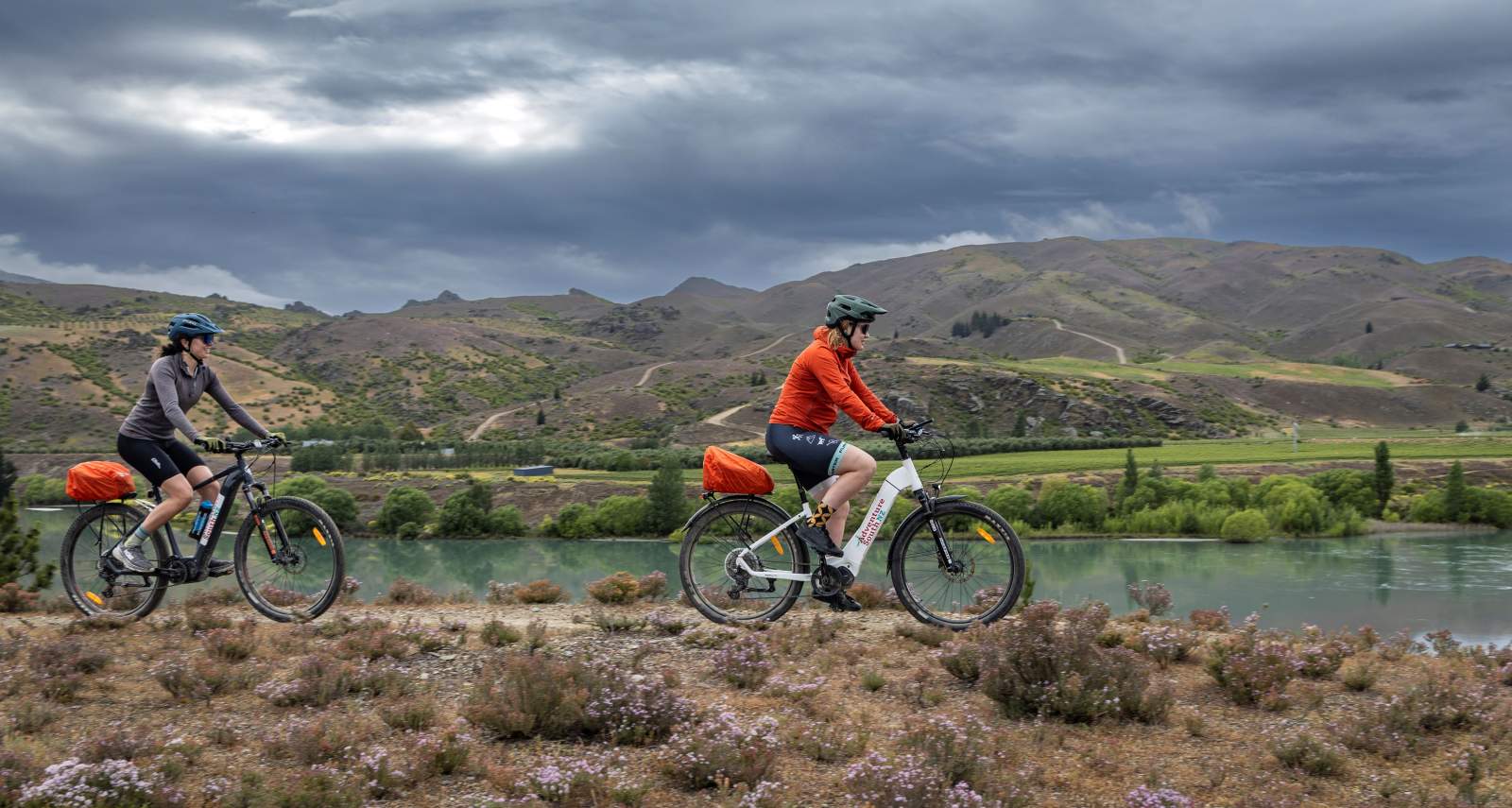
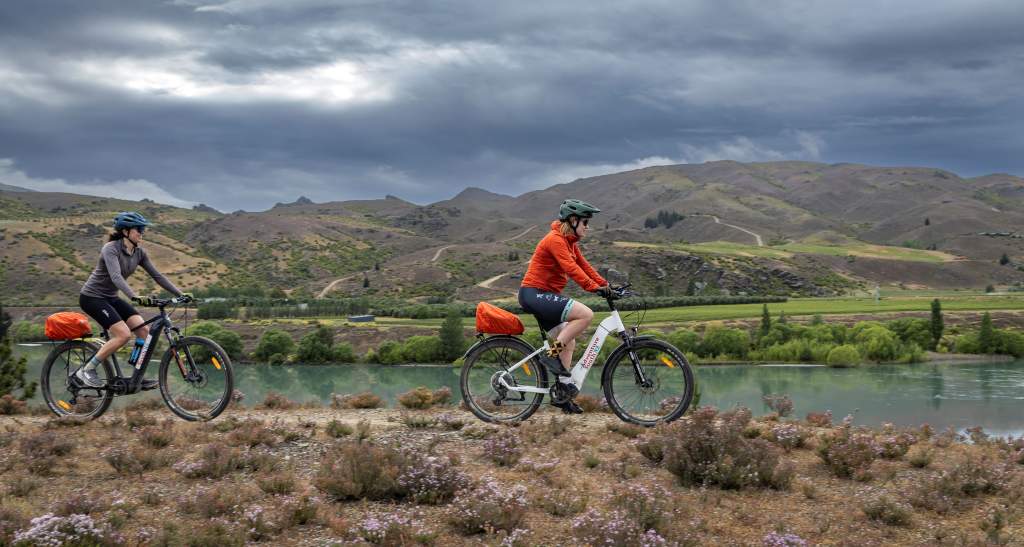
Lake Dunstan Trail
A classic 1-day ride for more adventurous and experienced riders.
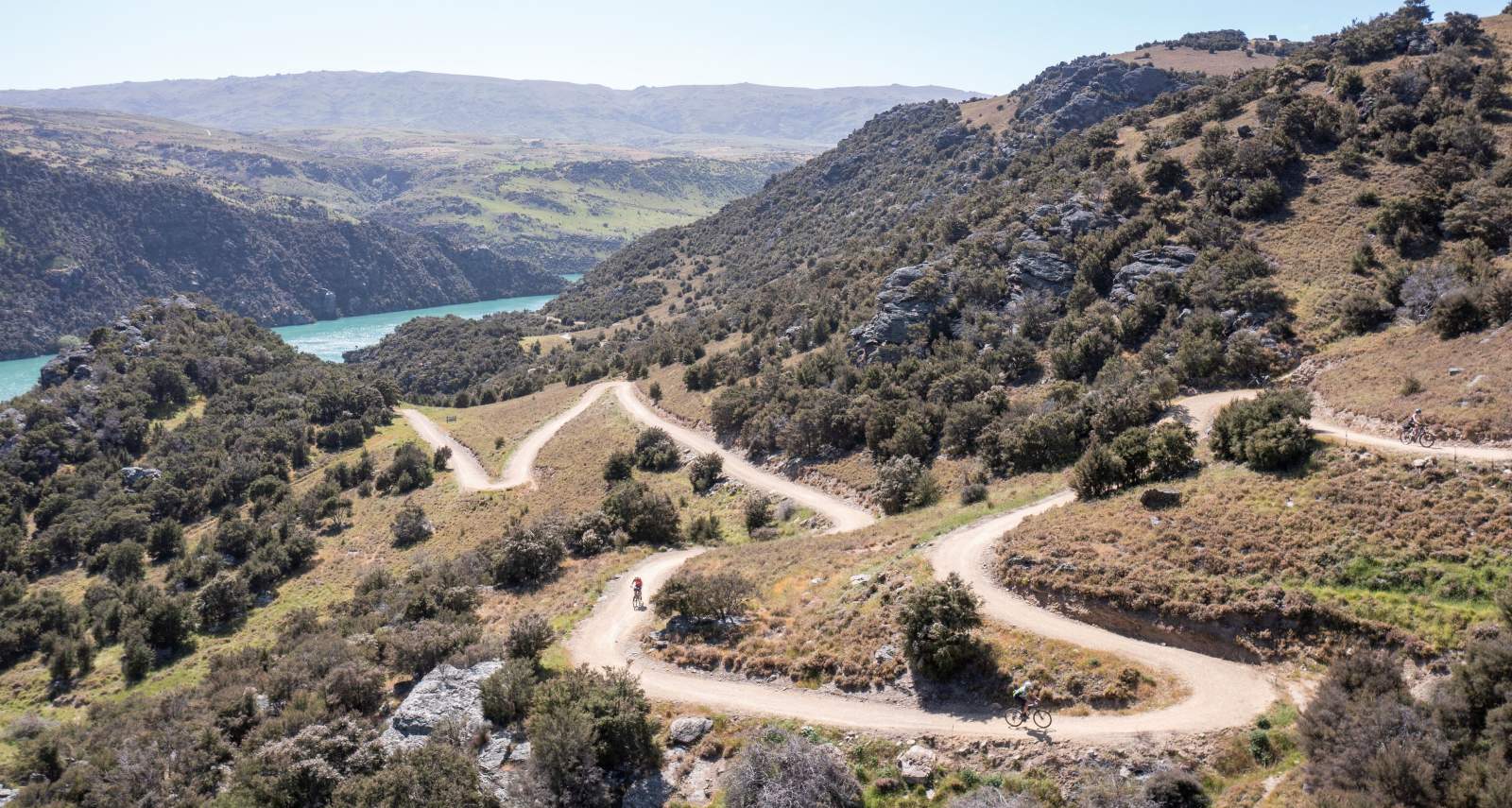
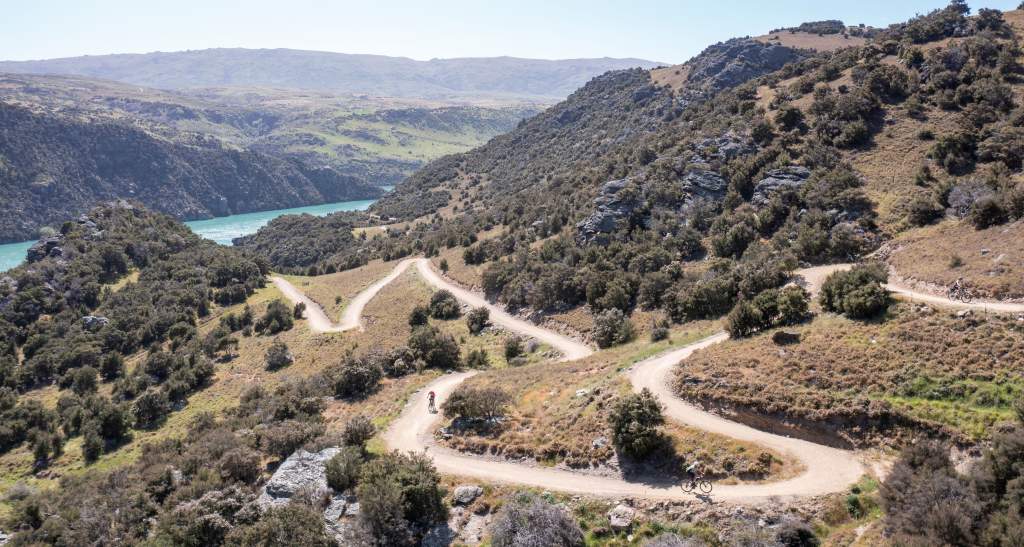
Roxburgh Gorge Trail
A wilderness ride for intermediate riders through dramatic gorge scenery.
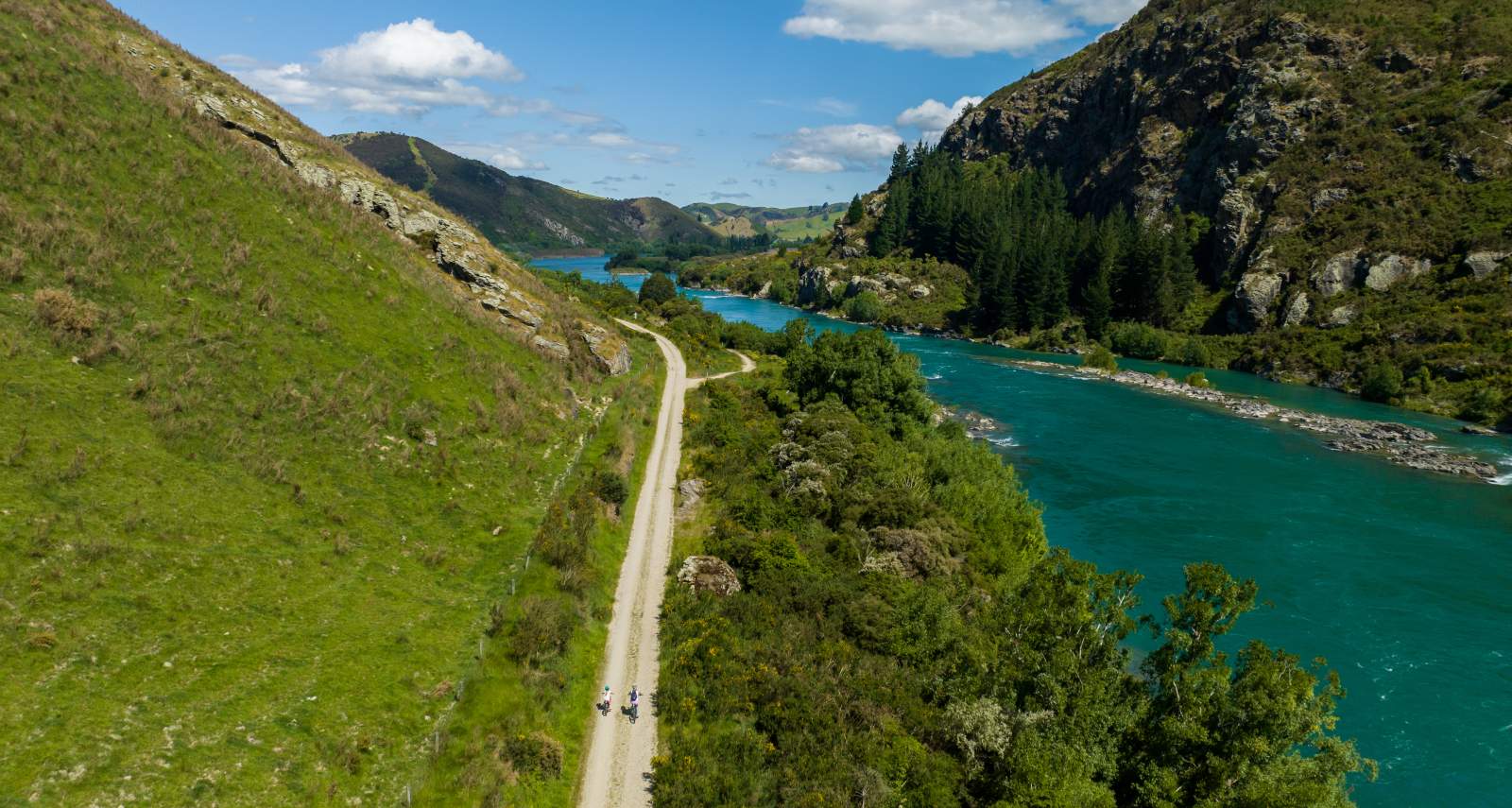
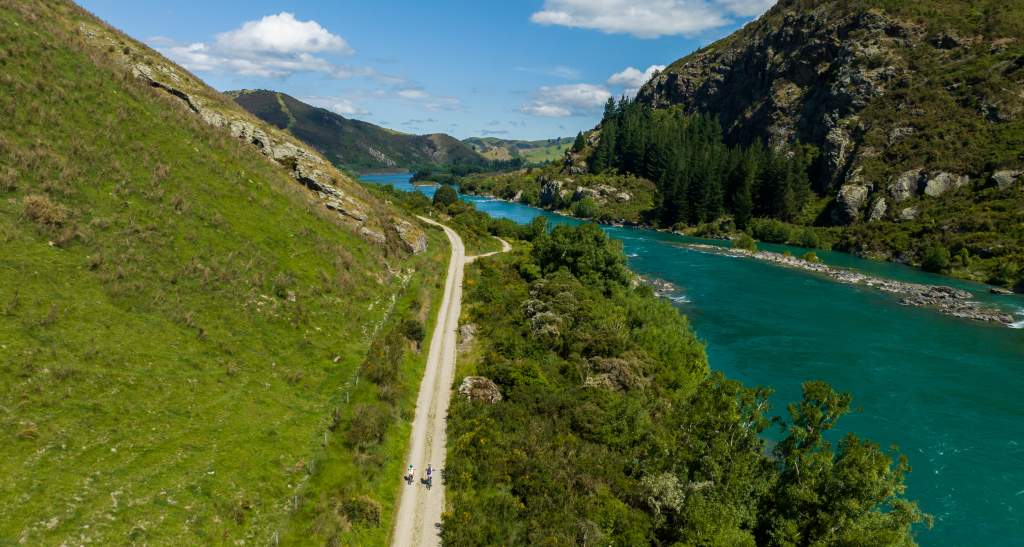
Clutha Gold Trail
An easier trail that follows the Clutha River and then out to Waihola on the east coast.
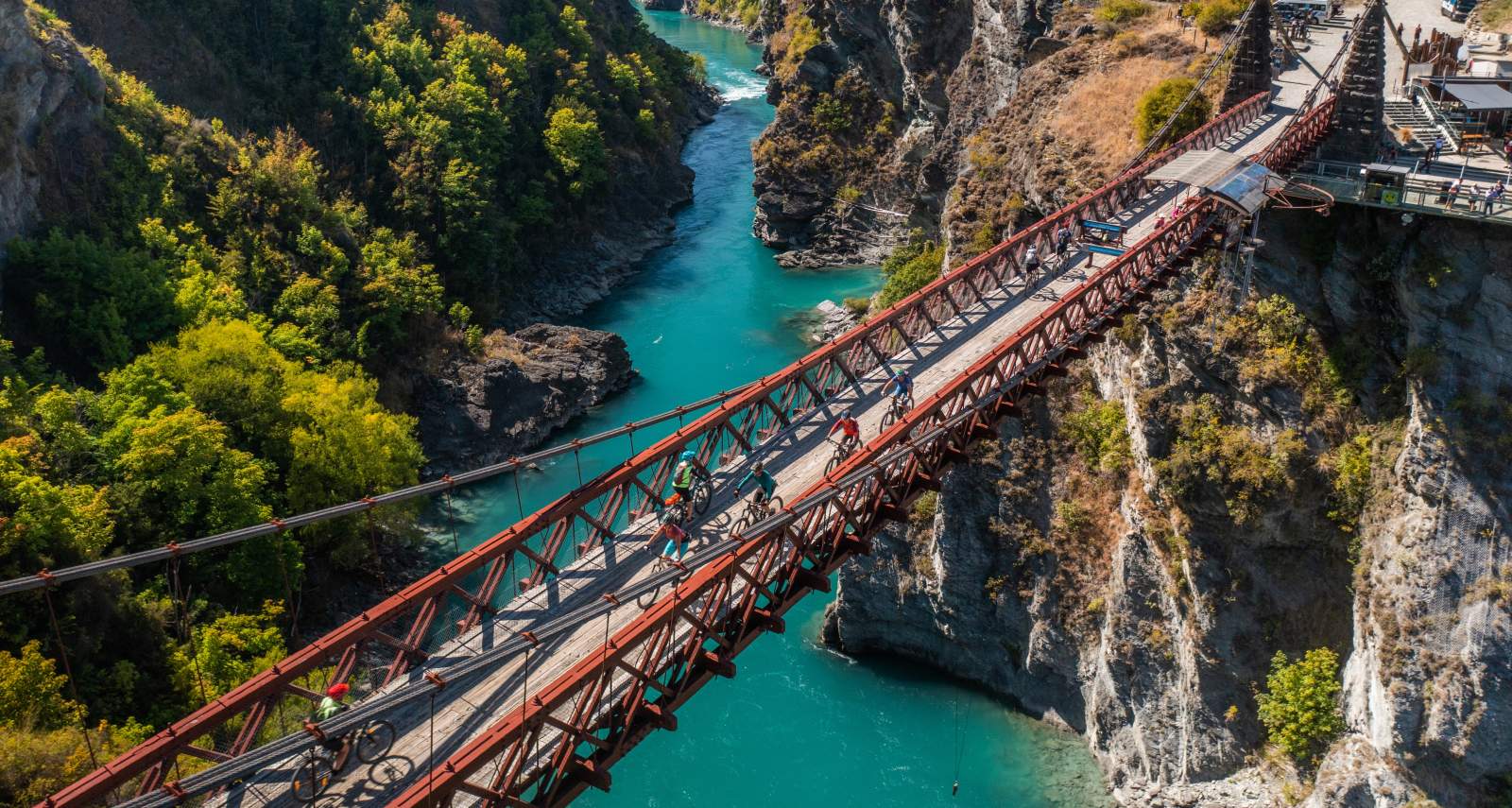
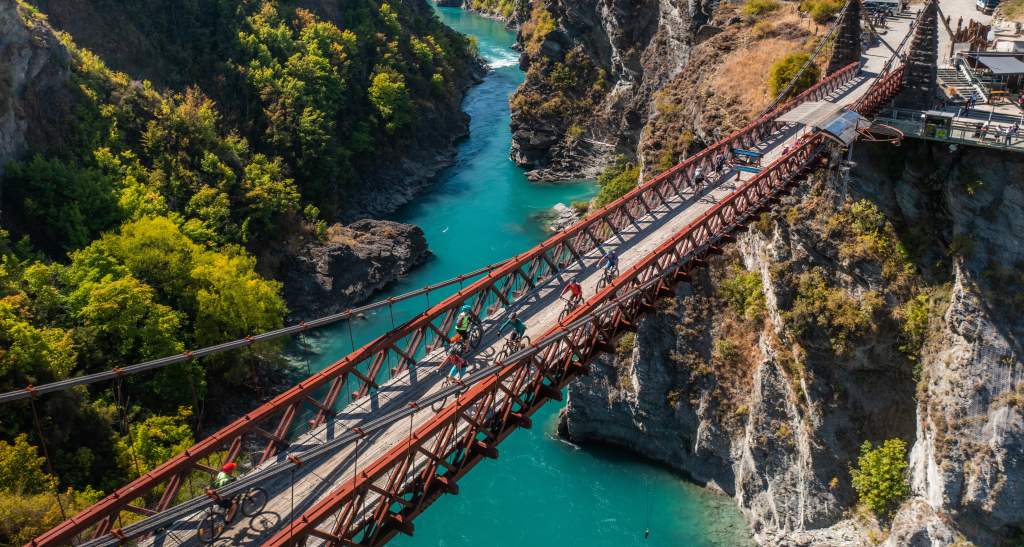
Queenstown Trails
A 150km trail network with options for beginners, intermediate and advanced riders.
How far should you ride each day?
For first-time E-bike riders, the golden rule is simple: do not over-plan your daily distance.
Yes, an E-bike helps. But you still need to allow time for photos, coffee, lunch, side trips, weather, navigation, and the occasional “wow, let’s just sit here for a moment” pause.
As a general guide:
- Easy first-timer pace: 25km to 35km per day
- Comfortable touring pace: 35km to 50km per day
- More experienced riders: 50km plus per day, depending on terrain and conditions
The right distance depends on trail surface, weather, group confidence and how much you want to do off the bike. A successful E-bike holiday is not about covering the most kilometres. It is about enjoying the ride between places.
Planning tip:
If this is your first multi-day E-bike trip, choose a slightly easier itinerary than you think you can manage. You will thank yourself later...
How long does an e-bike battery last?
Battery range depends on the bike, battery size, rider weight, tyre pressure, trail surface, wind, temperature, assistance level and how often you use higher power modes, but you’ll generally be able to squeeze up to 70-80km or more out of most modern E-bikes if you ride conservatively.
Most riders can comfortably complete a normal day on a quality rental E-bike if they start fully charged and use the assistance sensibly. Your operator will know the local trails and provide advice for your itinerary.
To get the most from your battery:
- Start every day fully charged.
- Use eco or tour mode on flat sections.
- Save higher assistance for hills, wind and tired legs.
- Use the gears like on a normal bike, don’t rely 100% on the motor.
- Avoid carrying unnecessary weight.
- Check that the charger is packed if you are moving accommodation.
- Ask your accommodation where to charge securely overnight.
First-timer tip:
Do not wait until the final bar of battery before changing how you ride. Manage your battery from the start of the day.
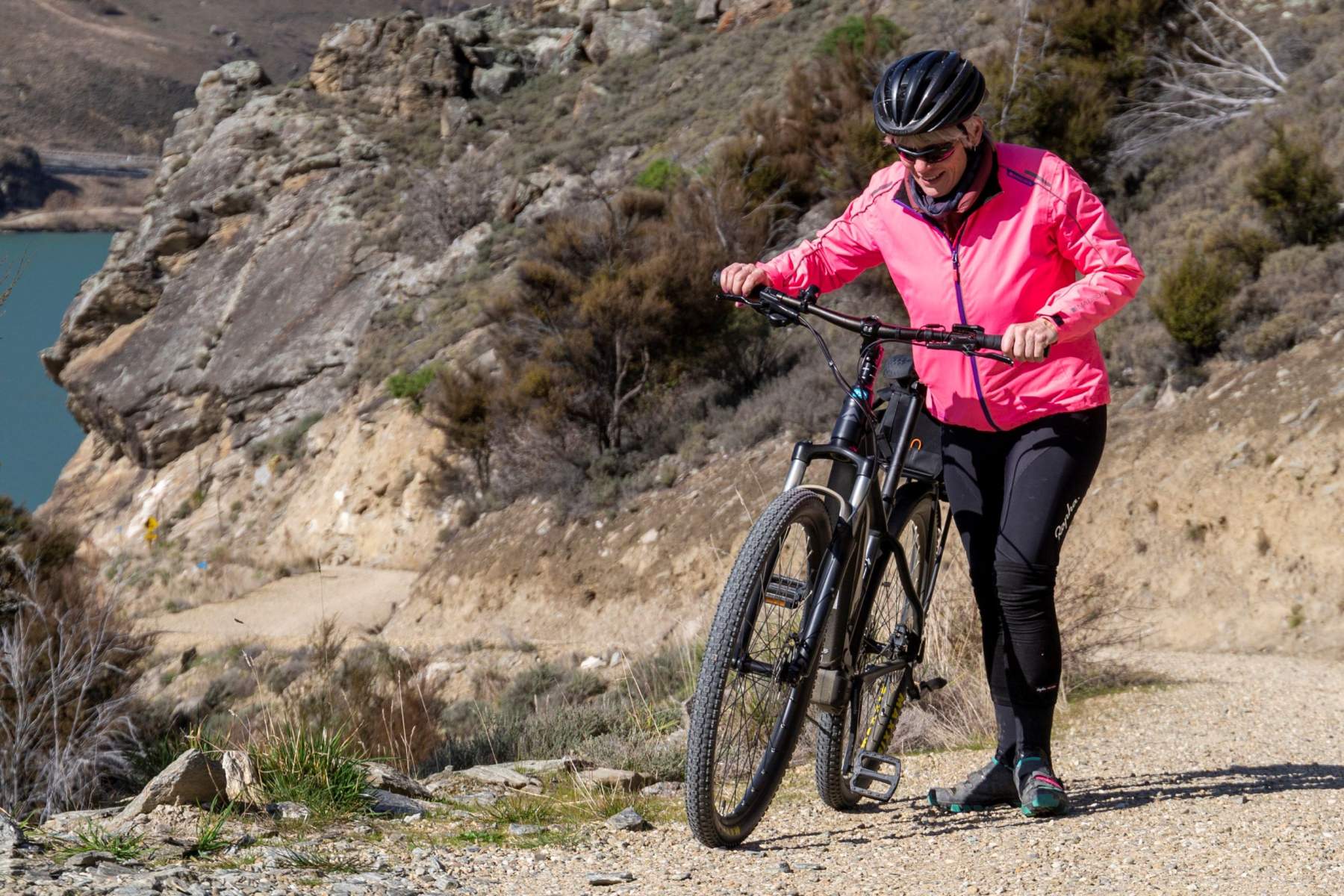
E-Bikes are heavy and can be cumbersome... so battery management is essential to avoid pushing!
Should you hire an e-bike or bring your own?
For many visitors, hiring is the easiest option. Local cycle tour operators or bike shops can provide trail-suitable E-bikes, helmets, chargers, advice, emergency support, luggage transfers, accommodation bookings and shuttles.
Hiring also means you do not need to transport your own bike or worry about whether it is suitable for the trail.
Bringing your own E-bike can work well if you are familiar with it, know its battery range and are confident with maintenance. But make sure it complies with the Great Rides E-bike rules and check logistics for transport, charging and secure storage.
Hire if you want: A simple, supported, low-stress holiday.
Bring your own if you: Know your bike well, understand its range and are comfortable managing your own logistics.
Flying with an E-bike: Note that NZ airlines do not permit E-bike batteries on flights.
Do you need to be fit to ride an e-bike trail?
You do not need to be an athlete, but you should be comfortable riding a bike and spending several hours outside each day.
Before your trip, try to do a few practice rides. Get used to:
- Starting and stopping smoothly
- Changing gears
- Using different assistance levels
- Riding on gravel
- Braking gently and evenly
- Cornering at a comfortable speed
- Getting on and off the bike safely
E-bikes are heavier than standard bikes and have different handling, so new users are encouraged to familiarise themselves with the bike before heading onto the trails.
If it has been a while since you last rode, start with a short local ride before committing to multiple days.
Confidence tip:
Book through an operator who gives you a proper bike briefing before you start. A good briefing can make your whole trip more enjoyable. Having a proper bike set-up, especially seat height is also essential for a comfortable ride.
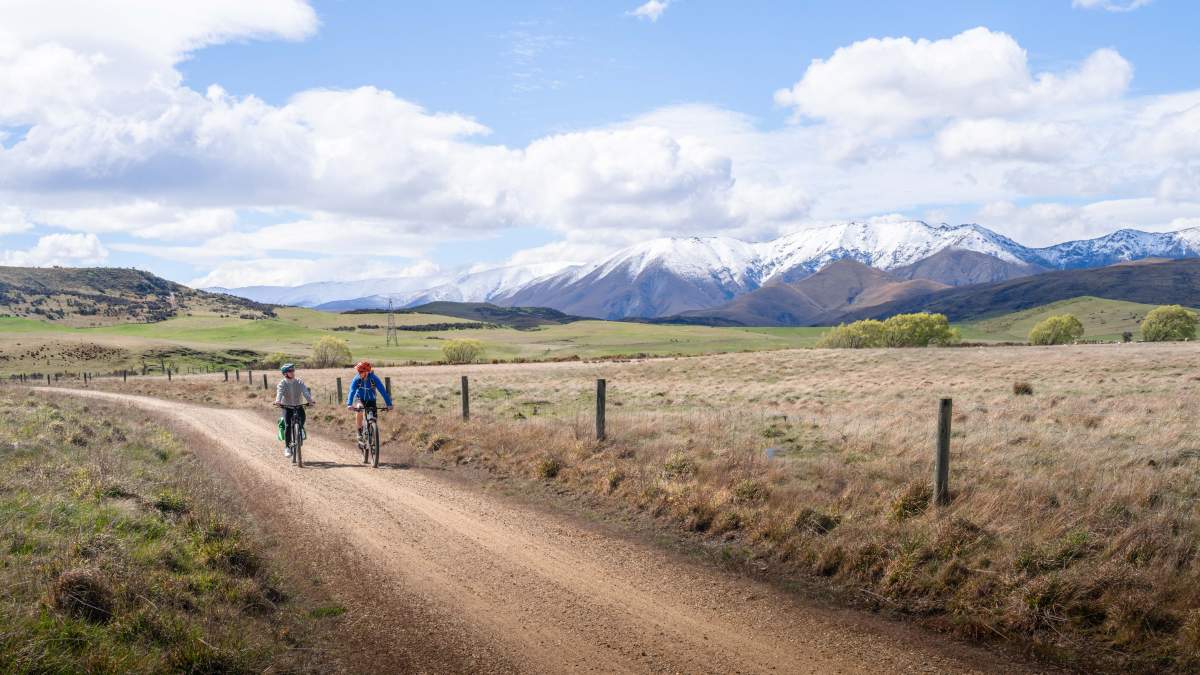
With the assistance of an E-bike, a grade 1 (easy) trail like the Otago Central Rail Trail is ideal for beginners.
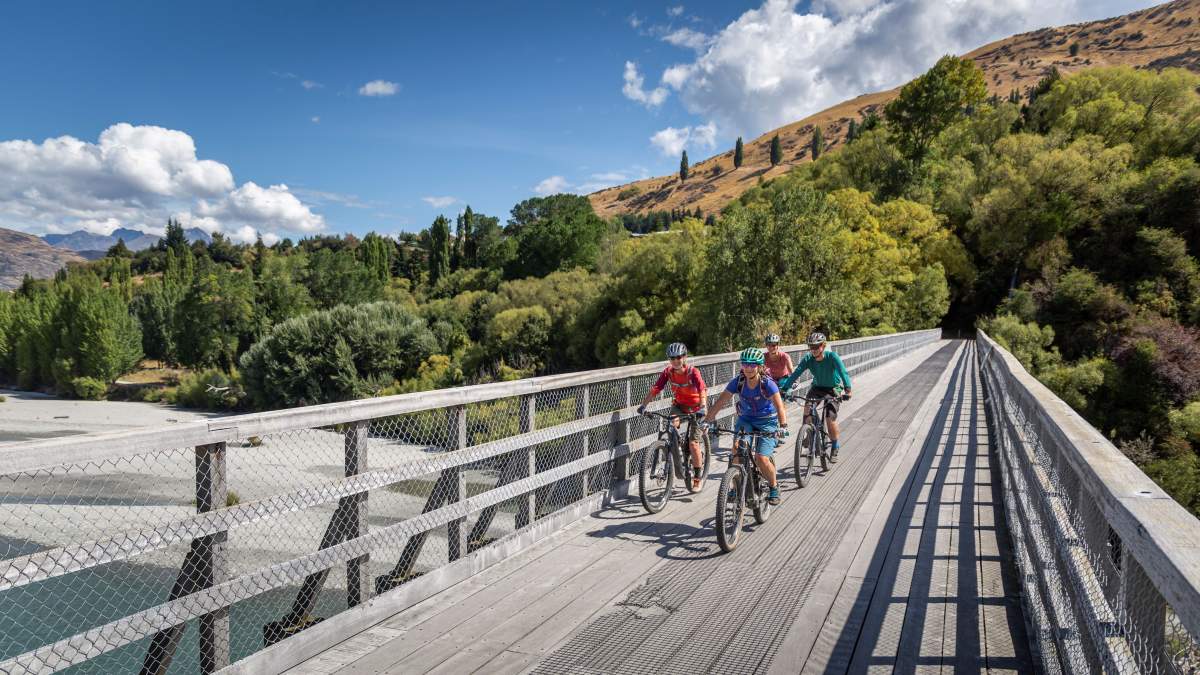
You don't need to be super fit to ride an E-Bike, but practicing your skills on an easy trail is recommended.
Trail etiquette: how to be a good e-bike rider
The trails are shared spaces. You may meet walkers, families, slower riders, faster riders, horses, or trail maintenance teams. Good etiquette keeps everyone safe and happy.
- Ride at a speed that suits the conditions.
- Slow down near walkers and other riders.
- Let people know you are passing – ring your bell or a friendly “passing on your left / right”
- Keep left where appropriate.
- Stop in safe places, not in the middle of the trail.
- Control your speed on descents and corners, try not to skid as this quickly damages the trail surface.
- Leave gates as you find them.
- Respect private land and local communities.
- Take your rubbish with you.
- Be kind, patient and friendly. A smile and a wave goes a long way.
Remember, E-bikes can accelerate quickly. The fact that you can go faster does not mean you should.
When is the best time to e-bike in Otago?
Otago’s main riding seasons are spring, summer and autumn. Each has its own appeal.
Spring:
Fresh landscapes, blossom, longer days and cooler riding temperatures. Top tip: The wind tends to be strongest in spring, so research the prevailing wind direction on your chosen trail and "go with the flow”!
Summer:
Warm, sunny weather, long evenings, and plenty of time for exploring. However, some trails can be exposed with little shade from the sun, so be sun smart and carry plenty of water. More info here - Summer Riding Guide.
Autumn:
Golden colours, settled conditions and beautiful vineyard landscapes.
Winter:
Riding can also be rewarding, and a dusting of fresh snow on the hills looks great in photos. Note that some businesses may operate reduced hours or close during the quieter months. Winter Ride Guide.
Planning tip:
If you are travelling outside peak season check trail consitions, accommodation, cafes, shuttles and luggage transfer availability before locking in your dates.

Autumn is the most popular season for biking in Otago
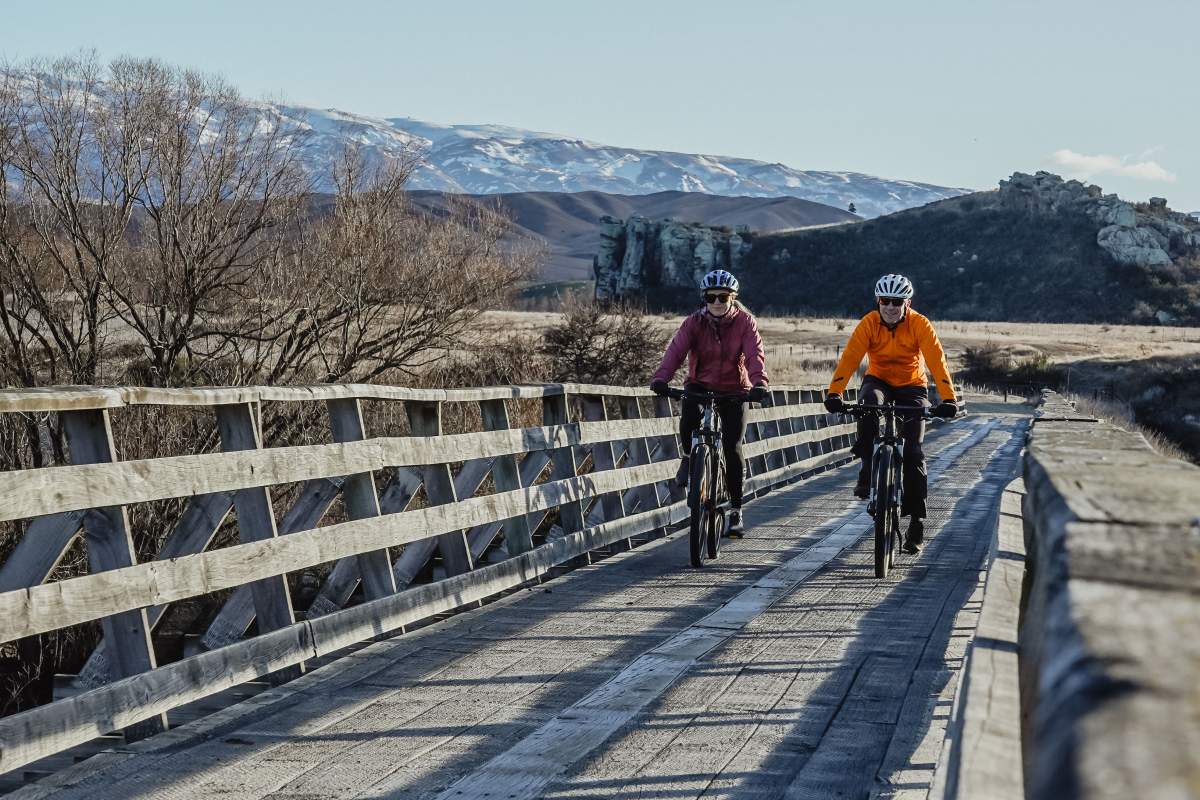
Winter riding can be rewarding, but wrap up warm and check cafe / pub opening hours.
What should you pack for a multi-day e-bike ride?
The joy of a supported E-bike holiday is that you do not need to carry everything on the bike. If you book luggage transfers, your main bag moves ahead while you ride with a small day pack or pannier.
Pack light, but do not skip the essentials.
On the bike:
- Good quality helmet - it's a legal requirement in NZ to ride wearing a helmet at all times
- Water bottle(s) or hydration bladder - at least 2litres per person in summer is recommended, especially on more remote trails like the Lake Dunstan Trail
- Snacks
- Lightweight rain jacket and a warm layer
- Sunscreen and lip balm
- Sunglasses
- Cell phone (camera optional)
- Trail map or navigation app. A personal locator beacon (PLB) is worth considering on some remote routes like the Coronet Loop in Queenstown.
- Small first aid kit, including any personal medication
- Bike charger, if advised by your operator
- Gloves (optional)
- Basic toolkit including spare tubes and a pump (make sure someone in your group knows how to change a tube if you get a flat tyre).
In your overnight bag:
- Comfortable clothes for evenings
- Toiletries
- Spare riding clothes
- Warm jacket
- Casual shoes
- Swimwear, if your accommodation has a pool or spa
- Chargers for phone and devices
Central Otago weather can be changeable, so think in layers. Even in warmer months, mornings and evenings can feel cool, especially after a day outdoors.
How to turn your e-bike idea into a booked holiday
Check out some of the photos, videos and stories here on Trail Hub, compare routes and think about the kind of trip you want. Then move into planning:
- Choose your trail or trail combination.
Start with the experience you want: relaxed, scenic, social, food and wine-focused, heritage-rich or adventurous... - Decide how many days you have.
A three to five-day trip is often ideal for a first multi-day E-bike holiday. - Talk to a local operator.
Ask for help matching the trail, bike, itinerary and accommodation to your group. - Book early for peak season.
Accommodation and quality E-bikes can book out during popular months. - Prepare with a few practice rides.
The more comfortable you are on the bike, the more you will enjoy the holiday. - Leave room for discovery.
Otago’s trails are not just about riding. They are about the places, people and stories along the way.

Related Stories
-

Spring Cycling For Beginners
Haven’t ridden over winter? Follow this easy six-week training guide and build up to a multi-day spring ride on one of Otago’s cycle trails.
Read more about Spring Cycling For Beginners -
Gravel Biking Otago
A guide to gravel biking in Otago - trail tips and routes.
Read more about Gravel Biking Otago -
Credit Card Rides
A credit card ride is a “light” version of a fully self-supported bikepacking trip.
Read more about Credit Card Rides -
Spring Bike Maintenance Checklist
Get your bicycle or E-Bike ready for spring with this practical maintenance checklist covering tyres, brakes, gears, chains and safety checks.
Read more about Spring Bike Maintenance Checklist -
Clutha Gold Trail Beginners Guide
A beginners guide to the Clutha Gold Trail
Read more about Clutha Gold Trail Beginners Guide